Celebrating Diversity In Nigerian Culture
In this article, we will explore the vibrant Nigerian culture, and how it celebrates diversity through its various traditions and forms of artistic expression. We will delve into the nuances of Nigerian art, cuisine, festivals, and the broader implications of its cultural celebrations in promoting unity, economic development, and global cultural exchange.
The Beauty of Nigerian Art

Nigerian art is as diverse as its people. From traditional tribal art to contemporary pieces, Nigerian artists use a variety of mediums to express their creativity. Nigerian art is heavily influenced by its cultural heritage, with each ethnic group having its unique style and techniques. Traditional art forms often include the use of symbols and motifs that are significant to specific ethnic communities, preserving historical narratives and spiritual beliefs.
One of the most well-known forms of Nigerian art is the Igbo-Ukwu bronze works. These intricately designed bronze sculptures date back to the 9th century and are considered to be some of the finest examples of early African art. They showcase the technical skill and creativity of the Igbo people, and are a testament to the rich history of Nigerian art. The sophistication of these artifacts indicates a long-standing tradition of metalwork and artistic excellence within the Igbo culture.
Celebrating Cultural Diversity Through Art
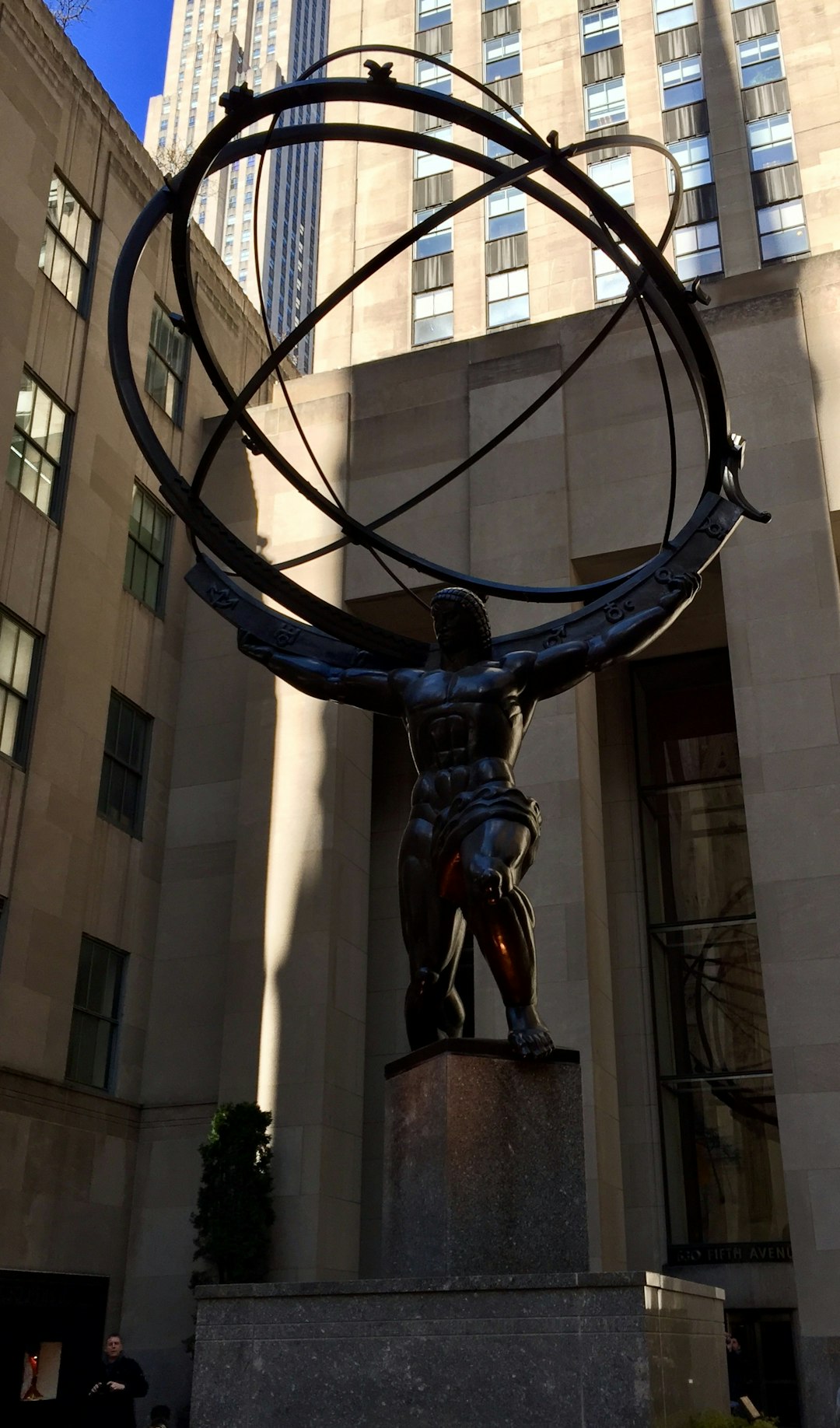
Art is a powerful medium for celebrating diversity and bringing people together. In Nigeria, art plays a significant role in promoting cultural unity and understanding. Many Nigerian artists use their work to showcase the beauty and diversity of their culture, creating a sense of pride and unity among different ethnic groups. Art exhibitions and cultural centers across the country provide platforms for these artists to display their work and share their cultural narratives.
For example, the Benin bronze works, which date back to the 13th century, are renowned for their intricate designs and craftsmanship. These artworks depict the history, customs, and traditions of the Benin people, and serve as a reminder of the rich cultural heritage of Nigeria. The royal court of Benin is famous for commissioning these masterpieces, which have become symbols of the kingdom's power and cultural sophistication.

Promoting Social and Economic Development
Nigerian art also plays a crucial role in promoting social and economic development. Many artists in Nigeria come from low-income backgrounds and use their talents to support their families and communities. By showcasing their work, Nigerian artists not only promote their culture but also create economic opportunities for themselves and others. The global interest in African art has opened up international markets, where Nigerian art is increasingly valued and sought after.
Furthermore, art initiatives and workshops aimed at the youth are instrumental in fostering talent and providing vocational training. This not only equips individuals with skills but also helps in preserving traditional art forms that might otherwise be at risk of being forgotten. By investing in the arts, Nigeria is nurturing a generation of artists who will carry forward the country's cultural legacy.
Celebrating Nigerian Cuisine
Nigerian cuisine is a reflection of the country's diverse cultural heritage. With over 250 ethnic groups, Nigerian cuisine is a fusion of various cooking styles, spices, and ingredients. From the popular jollof rice to the delicious suya (spicy grilled meat), Nigerian food is a feast for the senses. The diversity of flavors is a testament to the rich tapestry of cultures that make up the nation, each contributing their culinary traditions to the collective dining table.
A Blend of Influences
The diverse nature of Nigerian cuisine is a result of the country's history and the influence of various cultures. The use of spices and herbs in Nigerian dishes is a reflection of the country's trade relations with the Arab world, while the introduction of cassava, yams, and plantains can be traced back to the Portuguese and Spanish explorers. These elements have been woven into the fabric of Nigerian cooking, creating dishes that are uniquely flavorful and aromatic.
Moreover, the use of peanuts in Nigerian dishes can be attributed to the influence of the Hausa-Fulani people, who have a significant presence in Northern Nigeria. This blend of influences has resulted in a unique and delicious cuisine that is distinctively Nigerian. The culinary landscape of Nigeria continues to evolve as chefs and home cooks alike experiment with traditional recipes, adapting them to modern tastes and global influences.
Bringing People Together
Food is a universal language, and in Nigeria, it is a way to celebrate diversity and bring people together. Nigerian cuisine is an essential part of many cultural festivals and celebrations, where different ethnic groups come together to share their traditional dishes. The communal nature of Nigerian dining, where meals are often shared from a single platter, reinforces the sense of community and shared heritage.
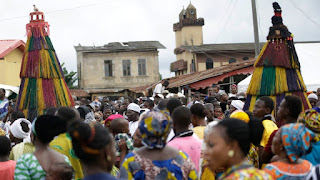
For example, during the Eyo festival in Lagos, various Nigerian delicacies are available for everyone to enjoy, regardless of their ethnicity or background. This celebration of food not only promotes cultural understanding but also creates a sense of unity among different communities. The act of breaking bread together, or in this case, sharing a bowl of pounded yam and egusi soup, is a powerful gesture of friendship and solidarity.

Festivals and Celebrations
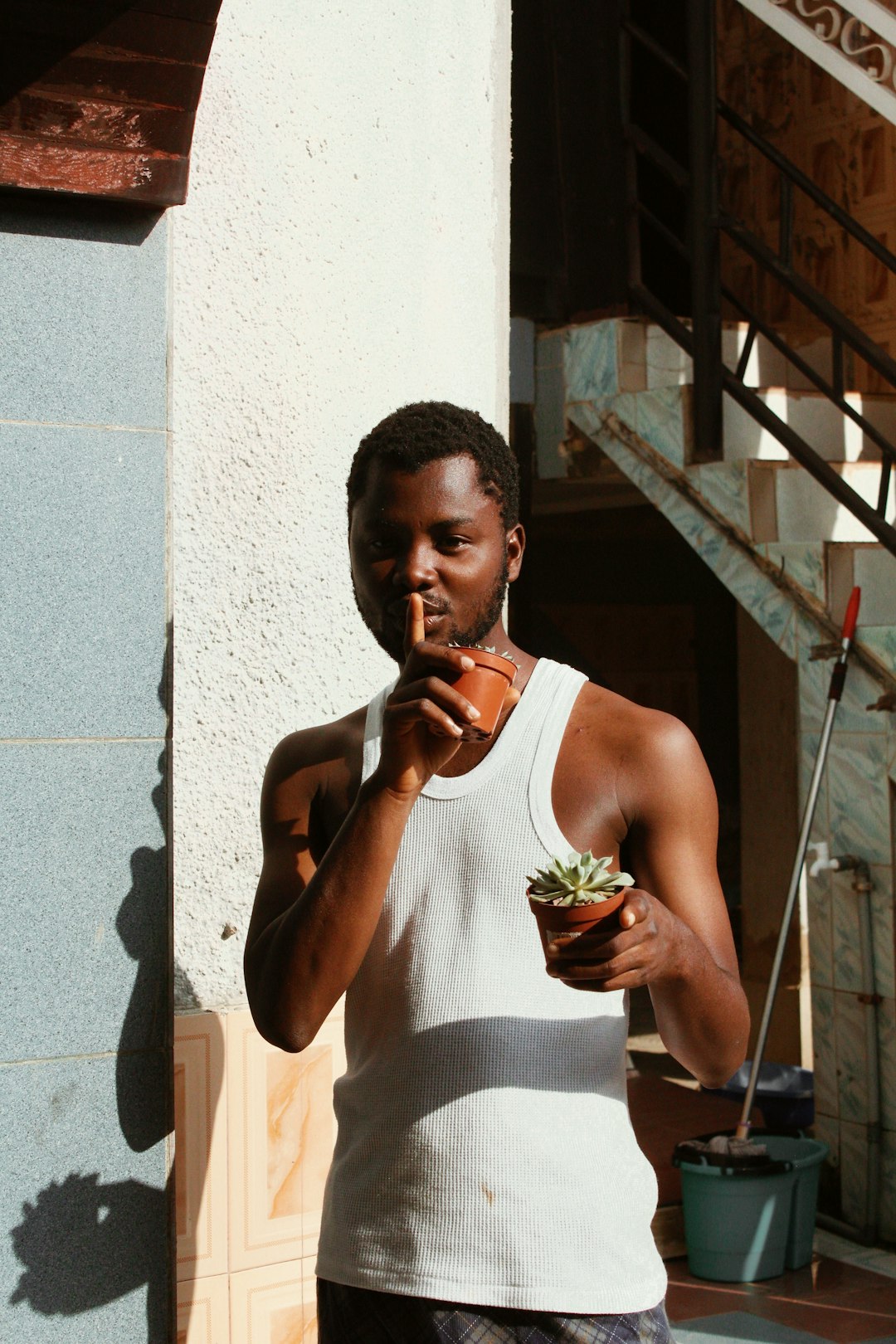
Nigeria is known for its vibrant and colorful festivals, which are a reflection of its diverse cultures and traditions. These festivals are a celebration of life, and they showcase the unique customs, music, and dance of each ethnic group. They provide a space for people to express their identity and cultural pride, while also serving as a platform for intercultural dialogue and understanding.
The Osun-Osogbo Festival
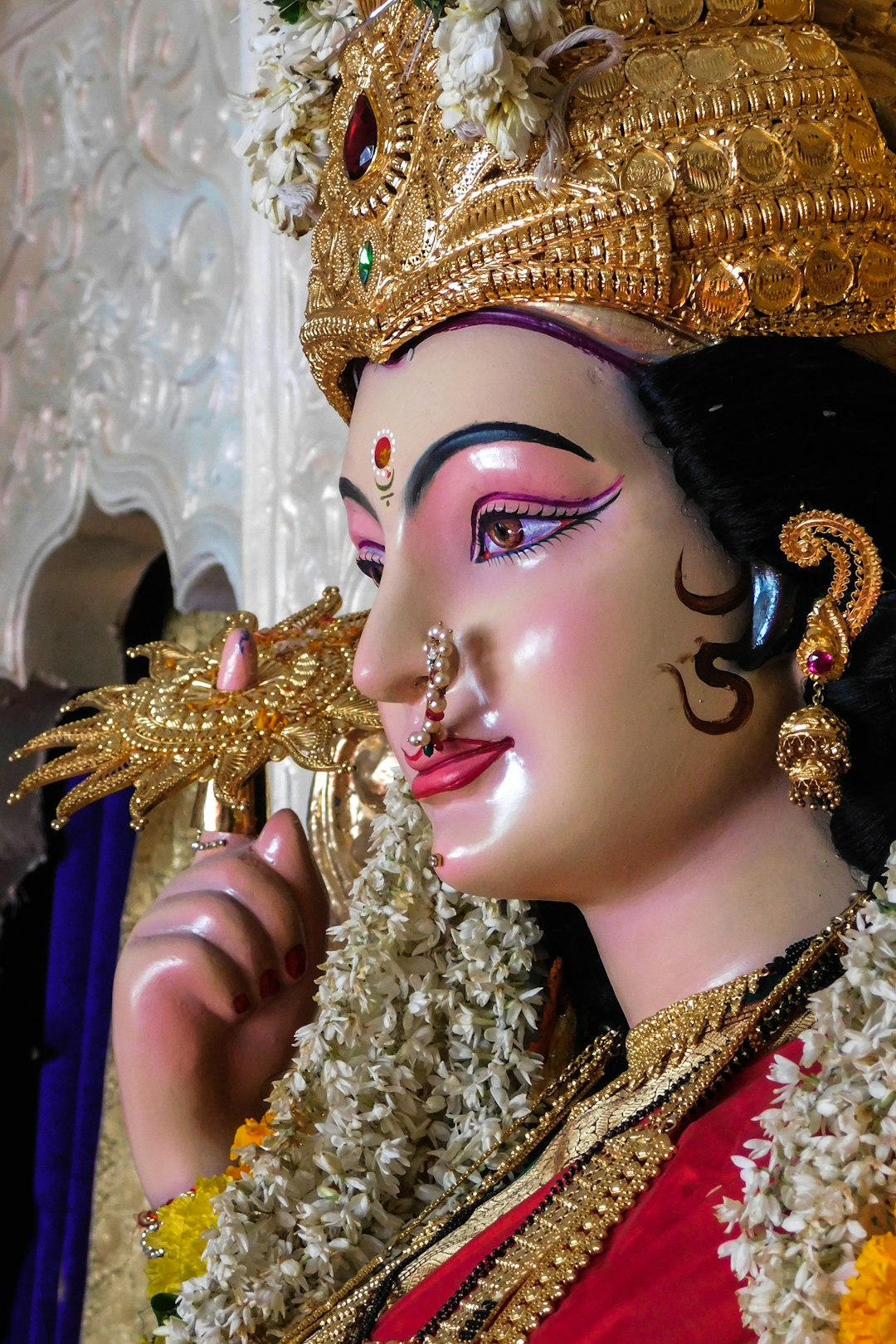
The Osun-Osogbo festival is a popular celebration that takes place in Osogbo, the capital of Osun State. This festival celebrates the river goddess Osun, who is believed to have healing powers. During the festival, people come from all over the country to offer sacrifices and pray for blessings. The festival also features traditional music, dance, and art, making it a true celebration of Nigerian culture. It attracts not only local participants but also tourists and cultural enthusiasts from around the world, contributing to cultural tourism and economic growth.
The Argungu Fishing Festival
The Argungu Fishing Festival is a four-day event that takes place in Kebbi State, Northern Nigeria. It is a celebration of the fishing tradition of the local Hausa-Fulani people, and it attracts thousands of visitors from all over the world. During the festival, fishermen compete to catch the biggest fish in a designated river, and the winner is rewarded with a cash prize. The festival also features traditional dances, music, and other cultural activities. It is an important cultural event that not only celebrates the fishing culture but also promotes environmental conservation and sustainable fishing practices.

The Importance of Celebrating Diversity
Nigerian culture is a testament to the beauty and richness of diversity. Through its various forms of artistic expression, cuisine, and festivals, Nigeria celebrates its cultural diversity and promotes unity and understanding among its people. The celebration of such diversity is not only a source of national pride but also a means of strengthening social cohesion within the country.
Moreover, celebrating diversity is essential for the preservation of cultural heritage. By showcasing traditional art, music, and customs, Nigerian culture is kept alive and passed down to future generations. This cultural continuity ensures that the unique identities of the various ethnic groups are not lost and that they continue to enrich the national fabric. In an increasingly globalized world, the protection and promotion of cultural diversity become ever more important, serving as a bulwark against cultural homogenization.

Conclusion
In conclusion, Nigeria's cultural diversity is a source of pride and unity. Through art, cuisine, and festivals, Nigerians celebrate their unique customs and traditions, promoting cultural understanding and economic development. As the world becomes more connected, it is crucial to celebrate and embrace diversity, and Nigeria is an excellent example of a country that does just that. The richness of Nigerian culture lies in its ability to bring people together, fostering a sense of belonging and shared identity among its diverse population.
By kingkentus