17 Simple Ways To Lose Weight
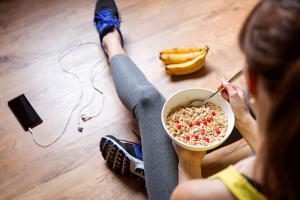
With regards to accomplishing your weight loss goal, effortlessness is critical. Find 17 basic ways to lose weight without overpowering yourself. From careful eating and piece control to ordinary active workout and remaining hydrated, these viable systems can assist you with shedding those additional pounds normally. Integrating more natural products, vegetables, and incline proteins toward your eating regimen, alongside overseeing pressure and getting sufficient rest, are only a few clear techniques you can take on.
Start your excursion towards a better way of life with these easy-to-follow tips for reasonable weight loss.A lot of people who are overweight say they aren’t happy with their bodies. But it's important to remember that losing weight to reach a healthy level is really important. Being obese puts you at risk for many diseases, especially heart disease, which can cause a heart attack.
Want to shed a few pounds? The key to losing weight successfully is in the following list of scientifically proven tips. In this article, we’ll show you 17 easy ways to lose weight.
17 Simple Ways to Lose Weight
- Eat Whole Foods
For better health, one of the smartest choices you can make is to focus on eating whole, single-ingredient foods. These types of foods are naturally satisfying, making it hard to overeat and gain weight when they make up the majority of your diet. Whole foods don’t need any extra ingredients—they are the ingredient, providing you with the nutrition your body needs without any added extras.
- Protein is Significant
If you’re trying to lose weight, adding more protein to your diet can make a big difference. Protein boosts your metabolism, helping your body burn more calories throughout the day. It also makes you feel fuller for longer, which naturally leads to eating fewer calories. In fact, protein can reduce your appetite by up to 60 percent and cut down on late-night cravings. Incorporating more protein into your meals is one of the simplest and most effective ways to lose weight without feeling deprived.
- Keep Healthy Food on Hand
Having healthy food readily available can help you avoid reaching for unhealthy snacks when you’re hungry. Stock up on easy-to-carry and quick-to-prepare options like fruits, nuts, baby carrots, yogurt, and hard-boiled eggs. These snacks can keep you satisfied and make it easier to make better food choices.
- Eat More Leafy Greens
Vegetables are great for weight loss, much like fruits. They are low in calories and high in fiber, which helps you feel full. Vegetables also contain a lot of water, making them low in energy density. Research shows that people who eat more leafy greens often weigh less. Besides helping with weight loss, vegetables are also very nutritious and healthy, so adding them to your diet is important.
- Start a Low-Carb Diet
A low-carb diet can help you lose two to three times more weight compared to a regular low-fat diet and can also improve your overall health. To experience these benefits, you should try following a low-carb diet and stay with it consistently.
- Get into Coconut Oil
Coconut oil is great for your health because it contains medium-chain triglycerides, a type of fat that your body processes differently from other fats. Studies have shown that these fats can speed up your metabolism and help you burn more calories each day while also reducing your appetite. Instead of just adding coconut oil to your meals, try replacing the cooking oil you currently use with coconut oil.
- Drink Green Tea
Green tea offers many benefits, similar to coffee. It has less caffeine but is rich in antioxidants called catechins. These antioxidants work with caffeine to help burn more fat. While opinions among scientists vary, numerous studies have shown that drinking green tea or taking it as a supplement can support weight loss.
- Engage in Physical Activity

Getting regular exercise is key to losing weight. Find an activity you enjoy that helps burn calories and reduce body fat while also making you feel good and boosting your confidence. Running is one of the best exercises for weight loss. You can begin by mixing walking with slow running. To see good results, you need to run frequently. Just walking won’t burn enough calories on its own because it doesn’t build muscle, which is important for increasing your metabolism and overall calorie burn.
- Don’t Skip Breakfast
To help with weight loss, it’s important to eat a filling breakfast. A good breakfast boosts your metabolism by providing the energy your body needs for various processes. This energy is used for storing, transporting, absorbing, and digesting food. This process, known as food thermogenesis, affects how many calories you burn each day, along with your basal metabolic rate and physical activity. If you burn more calories than you eat, you will lose weight. Eating breakfast helps kickstart this process and stimulates your metabolism.
- Fight Food Addiction
If you find yourself constantly battling strong cravings and struggling to control your eating, you might be dealing with food addiction. This can make losing weight extremely challenging. In situations like this, it's important to seek help, as overcoming food addiction is crucial for successful weight loss and overall health.
- Sleep Well
Sleep is often overlooked, but it plays a crucial role in losing weight, just like eating well and exercising. Research shows that not getting enough sleep can significantly contribute to weight gain and obesity. Both children and adults are at risk of becoming obese if they don’t get enough quality sleep.
- Eat Less Processed Carbohydrates
Processed carbohydrates, like white bread or pasta, are foods where the healthy parts, like fiber and nutrients, have been removed. These carbs often turn into sugar quickly in your body, which makes your blood sugar rise fast. When this happens, you might feel hungry again soon after eating, which can make you eat more later. Because of this, eating too many processed carbs is connected to weight gain and obesity.
- Cut Down on Sugar
A major issue with our modern diet is the high amount of sugar that many people consume. Unfortunately, sugar is everywhere, and most people eat too much of it. Studies have shown that too much sugar is strongly connected to weight gain and serious health issues like type 2 diabetes and heart disease. If you want to lose weight, cutting back on added sugar is something you can't ignore. Always check food labels carefully because even foods that seem healthy often contain hidden sugars.
- Don’t Drink Calories
We know sugar is bad for our health, but sugar in liquid form is even more harmful. This includes fruit juices, which can have just as much sugar as soda. It’s much better to eat whole fruits because they have fiber and other nutrients. However, when it comes to fruit juice, it's best to drink it in moderation or avoid it completely.
- Don’t Diet, Eat Healthy
Instead of eating less, focus on eating better. The main problem with most diets is that they don’t work long-term. In fact, many people who diet end up gaining even more weight later on. Rather than jumping straight into dieting or focusing only on losing weight, aim for a healthy lifestyle. The key is to nourish your body with the right foods rather than depriving it. This approach will help you reach a healthy weight naturally and maintain it.
- Drink Water, Especially Before Meals
Water is a powerful tool for weight loss. It not only helps to speed up your metabolism but also assists your body in burning more calories. Drinking about half a liter of water roughly an hour before meals can reduce your appetite, leading you to eat fewer calories. This simple habit can potentially help you lose up to 44 percent more weight.
- Drink Coffee, Preferably Black
Coffee often gets a bad reputation, but it's actually rich in antioxidants and offers several health benefits. Research shows that caffeine can boost your metabolism and help your body burn more fat. However, it’s important not to cancel out these benefits by adding too much sugar or other high-calorie ingredients to your coffee. Keeping it simple allows you to enjoy the positive effects without the extra calories.
Conclusion
In short, losing weight involves understanding nutrition and making some effort. Strict diets often fail because they can be frustrating and too restrictive. To lose weight successfully and keep it off, patience is important. The approach mentioned focuses on changing eating habits for the long term. A good diet is crucial for weight loss, and regular physical activity can help as well. Also, addressing the psychological side is important because many people use food as a way to cope. Having moral support during tough times is also essential for success.
By kingkentus