(adsbygoogle = window.adsbygoogle || []).push({ google_ad_client: "ca-pub-4846363302131893", enable_page_level_ads: true }); Kombackblog: Digital Marketing

Kombackblog

kombackblog is one stop blog for all African news. Business, Fashion, Real Estate, Cars, Politics, World news, Culture, Electronics

Showing posts with label Digital Marketing. Show all posts

Nov 15, 2024

How To Market Your Products Effectively

1:00 AM 0
How To Market Your Products Effectively


How To Market Your Products Effectively

Many new business owners are struggling how to market their products effectively. They post a product picture on Instagram, add random hashtags, list a price, and say “buy now”—hoping customers will come running to buy. But when that doesn’t happen, they feel frustrated, lost, and desperate.

In this article, we’ll go over five simple marketing tips that can help you make a real difference in your business success.


Simple Tips To Market Your Products Effectively


  1. Sell An Experience, Not Just A Product.


When you sell a product, it's important to think about the entire experience you’re creating for your customer. For example, if you own a hair company, you should focus on giving customers a full experience before they make a purchase. Don't just show them hair bundles; also ask questions like, “How long do you want it to be?” “What color are you looking for?” and “What kind of curls do you like?” This way, you could find the best match for each customer.

Also, let customers try on the wigs. Don't just hand it to them; place it on their head and style it based on what they want. This will give them a “before and after” experience that felt like a mini-makeover. Seeing the transformation often encouraged them to buy the wig they tried on or to order one customized for them.

Now, that works in a physical store, but what about online businesses? The best way to offer a similar experience online is through video. For example, if you sell wigs, you could make a before-and-after video. Show how a person looks before wearing the wig, then show the change once they have it on.

Another way to make great marketing videos is by showing how your product is made. For example, if you sell wigs, you could film short clips that show each step, like laying out the hair bundles, sewing the wig on a mannequin head, and finally showing the finished product. This gives potential customers a behind-the-scenes view and builds their interest in buying from you.

You could also make videos demonstrating how to market your products. Using wigs as an example, you could show different ways to style the same wig, or the range of colors and curl types available. This helps people see the versatility of your product.

If you sell food items, like jam or honey, you could make videos showing creative ways to enjoy them. Let’s say you sell egusi soup. You could make a video on different ways to serve it—like with rice or different traditional foods. By showing unique ways to use your product, you make it more appealing and can even justify a higher price than competitors.


  1. Sell The Benefits, Not The Features Of Your Product.


Customers care most about how a product will improve their life. They’re always thinking, “What’s in it for me?” They aren’t focused on how great your product is on its own—they want to know what it will do for them. So, try to paint a picture of what life is like when you market your products effectively, showing the positive impact it can have.

A great example of this approach is how Apple launched the iPod. Instead of saying it had “5 GB of storage,” they simply said, “1,000 songs in your pocket.” This wasn’t about the tech specs; it was about a new, exciting experience: having your music collection with you anywhere.

You don’t need to promise life-changing results to show a benefit. Let’s say you sell perfume. Instead of just describing the scent, you could talk about how people will compliment the buyer on smelling nice or how wearing a great fragrance can boost their confidence. By focusing on the benefits, you make the product feel more valuable to your customers.


  1. Move People Further Away From Pain Or Take Them Closer Towards Pleasure.


Another helpful tip is to show how your product either solves a problem or brings extra joy. Most customers have a specific need or a desire they want fulfilled. When you talk about how to market your products, highlight how it addresses that need. For instance, if you run a delivery service, you’re helping businesses to market your products to customers, and you’re also helping customers who prefer the convenience of delivery instead of going to a store.

However, not every product is about solving a problem. Luxury items—like high-end fashion, art, or designer accessories—are often bought for the enjoyment they bring, not because they fill a specific need. If you sell something like this, focus on the pleasure or excitement people feel when they own your product.


  1. Know That Selling Is An Exchange Of Value.


It’s important to remember that selling is really an exchange of value. Both the buyer and the seller gain something from the transaction. No one is taking advantage of the other; instead, both are trading something valuable. For example, if you want a dress and you meet someone that have one, you pay them money, and in return, they give you the dress. It’s a fair exchange where each side gets what they want.

The more your customer feels that they’re receiving value from the deal, the more likely they are to buy from you—and to keep coming back for more.


  • Do Not Compete Based On Price, Compete Based On Value.


Here’s an example to show why selling quality matters.

Let’s say you sell handbags, and a customer asks why yours cost 8,000 when they can get a bag for 2,000. You can explain that cheaper bags may not last and that they might end up spending more than 8,000 buying replacements. By investing in a quality product, they could use the same bag for several years.

In the end, customers care about getting value for their money. They want to know why they should pay a higher price, so instead of focusing on selling cheap products, focus on selling quality. Then, explain to customers how that quality benefits them in the long run.


How To Market A Digital Product


  • Strategy Number 1: Email Marketing


Even today, email marketing remains a powerful tool, and with email automation, you can set up a system that markets and sells for you even when you're not working.

For most digital products, a lead magnet is a great way to encourage people to join your list. Once they sign up, a 5-email drip sequence can help guide them toward buying. A "drip sequence" means a series of five emails that are automatically sent to each new subscriber on a set schedule. Each email is crafted to build interest, so by the fifth one, the reader is more likely to make a purchase.

Here’s a simple guide to what each of the five emails should do in your sequence:

- Email 1: Say Hello and Spark Interest – Start with a friendly introduction to yourself and ask a question that touches on a problem they might be facing. This helps build a connection right from the start.

- Email 2: Share Useful Tips – Now, offer some helpful tips or advice that relate to the problem you mentioned earlier. This shows your new subscriber that you’re here to help and have valuable insights.

- Email 3: Introduce Your Solution – By now, they see you as knowledgeable and trustworthy, so it’s a good time to introduce your product as a solution to their problem. Keep it casual; you’re not pushing them to buy just yet but letting them know your product could be the answer.

- Email 4: Address Concerns – Use this email to address any doubts or questions they might have about your product. This way, you’re helping clear up anything that might keep them from making a decision.

- Email 5: Make the Final Offer – If they’ve read through all your emails, they’re likely interested. This is the time to make your best offer and encourage them to buy.

To make this work well, schedule the first email to go out right after they sign up. The others should follow every couple of days, or even daily if you prefer. Don’t wait too long; many people are ready to buy shortly after joining your list, so keep the momentum going.


  • Strategy Number 2: Guest Post


Guest posting for a website or another creator with a strong following is a smart way to reach a new audience. This approach can help you grow your email list and even sell your digital product.

Start by finding creators or publications with followers who are similar to your target audience. The closer their audience is to yours, the more likely you are to connect with new people who find value in what you offer. When you reach out, make it clear that your goal is to give their audience useful content. Even if it’s not a direct promotion, pointing them to helpful resources and people (like you!) adds value.

Offer your help without any strings attached. Most of the time, the person or publication you’re posting for will allow you to introduce yourself and share where people can find you online. Sometimes they’ll even invite you to make a sales pitch. Don’t expect this, but be prepared to promote yourself if you get the chance.

Don’t just aim for big influencers. While connecting with someone who has hundreds of thousands of followers is great, studies show that guest posting often works best with micro-influencers (those with audiences between 1,000 and 100,000 followers). Building connections for guest posting takes time, so don’t get discouraged if you don’t get immediate results.


  • Strategy Number 3: Host a Free Webinar


One great way to sell your digital product is by hosting a webinar. Webinars let you interact directly with people, giving them useful information for free and encouraging them to buy by the end of the session. Here are some quick tips to making exciting webinars:

- Attract people to your webinar by promising to help with a small problem related to what you offer.

- Make sure to deliver on that promise during your presentation.

- Show how your product can address an even bigger or related issue.

- Offer a special discount or bonus for anyone who purchases during or soon after the webinar.

Live webinars are highly engaging, but recorded webinars can work just as well as a sales tool and can even be sold as digital products themselves.


  • Strategy Number 4: Get Customer Reviews


Getting reviews is key for building trust with potential customers, but what if you haven’t made any sales yet? Simple: try a “beta version.” Start by inviting a small group of 15-20 people—friends, family, or people in your audience who match your ideal customer profile. Offer them early access to your digital product in exchange for honest feedback.

Most people will be excited to try it out and willing to give a review, though you might need to follow up to encourage them. When you ask for reviews, request specific details about their experience and examples of how your product helped them or solved a problem. These reviews are valuable assets that you can use on your social media, in emails, in webinars, and especially on your sales page—where we’ll go next.


  • Strategy Number 5: Build a Sales Page


You don’t have to wait until your product is done to create a sales page—or even to start making sales. Here are some key elements to consider beyond a big, bold “buy” button:

Product Description – Describe your product in terms of the problem it solves for your audience. Show how it can make a difference for them.

Testimonials – Positive reviews from others help new customers feel confident about their decision.

FAQs – Address common questions and concerns here to help clear up doubts potential buyers might have.

Creator Bio – This isn’t just about you; it’s about how you discovered the problem your product solves and why you’re the right person to offer this solution.

Email Sign-Up – Some visitors may not be ready to buy, but they might be interested later. An email sign-up lets them stay connected so

you can keep them updated.


Conclusion

Promoting your new product or service effectively starts with knowing where your audience spends time online and how they interact there. However, it’s always a good idea to market your products across several channels. The more consistent and connected your messaging is, the more familiar your audience will become with your offer, leading to higher engagement.

Use the strategies we’ve shared here to help boost the success of your next product launch, software update, or new service. And if you’d like extra support, consider trying our digital marketing solutions.


By kingkentus


Oct 17, 2024

How To Make 30k In 90 Days Selling Digital Goods

1:16 AM 0
How To Make 30k In 90 Days Selling Digital Goods


My Exact Strategy To Make 30k In 90 Days Selling Digital Goods.

You can create a digital goods once and sell it over and over again to make $30k in 99 days. Many people are now building businesses around these types of products. Some popular digital products include eBooks, online courses, music, and custom templates, all of which are easy to sell and share online and can become a means of getting some passive income. These digital goods often work well alongside physical products or services.


Selling digital products can bring passive income because, unlike physical goods, you don’t need to restock. Once created, they can be sold to many customers without extra effort. This makes digital products a great passive income idea for creatives, bloggers, educators, and freelancers who want to earn money efficiently online.


However, one common challenge many digital creators have is finding the right strategies to sell their digital products or promote it. 


In this article, I will discuss my exact strategy on how to make $30k in 90 days selling digital goods.


Top Strategies  To Making $30k In 90 Days


  • Strategy Number 1: Email Marketing

Email marketing is one of the best ways to promote and sell your product. It remains a powerful tool, and with automation, you can set up a system that keeps working for you, even when you're not around.


For most digital products, it's a good idea to offer something free, like a lead magnet, to encourage people to join your email list. Then, you can use a series of 5 automated emails to guide potential customers toward making a purchase. Each email will bring them closer to buying, with the final email aimed at sealing the deal.


The first email is your chance to introduce yourself and connect with the reader. Ask them a question that relates to a problem they might be facing.


In the second email, share useful tips or insights that help solve the problem you mentioned earlier.


By the third email, they should see you as someone they can trust. Now, introduce your digital product and show how it can solve their issue. This is a light promotion—no hard sell, just giving them the option if they’re interested.


In the fourth email, tackle any doubts or concerns they might have about purchasing. Answer common questions that might stop them from buying.


By the fifth email, it’s time to make your final push. If you’ve handled their concerns well, now’s your chance to focus on selling. Send the first email right when someone joins your list, and then send the rest every 1-3 days. You could even send them daily. Many subscribers are already interested in buying, so don’t wait too long to turn them into paying customers.


  • Strategy Number 2: Guest Post


Writing a guest post for a popular website or creator can help you reach a new audience. It’s also a smart way to grow your email list and sell your digital product.


First, look for creators or websites that attract the same type of people you're trying to reach. The more their audience matches yours, the more useful your content will be, and the higher your chances of gaining new followers.


When pitching your guest post, focus on how it will benefit their audience. If you can’t provide direct help, guiding them to useful resources or people is the next best thing.


When guest posting, offer your help freely. Usually, the host will give you a chance to introduce yourself and share where people can find you online. Sometimes, they might even invite you to promote your digital product. Don’t expect it, but be prepared to make a pitch if the opportunity comes up.


You don’t need to aim only for big influencers. While it’s great to reach out to someone with a large following, research shows guest posting works better with micro-influencers, those with 1,000 to 100,000 followers, where engagement is higher.


Keep in mind, building these connections takes time, so don’t be discouraged if you don’t get many responses right away.


  • Strategy Number 3: Host a Free Webinar


Hosting webinars is a fun and interactive way to promote your digital product. Like email marketing, you provide something valuable for free to attract people, then guide them through a live sales process during the session, encouraging them to buy by the end.


Here are key tips to keep in mind:


- Attract attendees by offering to solve a small issue related to your product.

- Make sure your webinar delivers on that promise.

- Show how your product can tackle a larger or related problem.

- Offer a special bonus or discount for those who purchase within a limited time.


Bonus tip: While live webinars are engaging, pre-recorded ones can be just as effective for selling or even as a product on their own.


  • Strategy Number 4: Get Customer Reviews


Getting reviews is key to building trust with potential buyers. But how can you collect reviews when you don’t have customers yet? The answer: offer a beta version.


Start by gathering a small group of 15-20 people. These can be friends, family, or audience members, but aim for people who resemble your target market. Give them early access to your “beta” digital product in exchange for honest feedback. Most will be eager to try it and willing to leave a review, though you may need to remind them.


When requesting a review, ask for specific details about their experience. Encourage them to share how your product helped or solved a problem for them.


You can share these reviews in many places. Use them on social media, in your email marketing, and during your webinars. The most important place to show them is on your sales page.


  • Strategy Number 5: Build a Sales Page


You can create a sales page and even start selling your product before it's finished. Along with a clear buy button, consider adding these elements:


  1. Product Description: Focus on your potential customer’s problem and explain how your product solves it.


  1. Testimonials: Including reviews from others helps new customers feel confident about their decision to buy.


  1. Frequently Asked Questions: Use this section to answer common questions and address any concerns people might have.


  1. Creator Bio: It might seem odd to include a bio about yourself on a sales page, but it’s really about your customer. Focus on how you understand their problem and what makes you able to provide a solution.


  1. Email List Sign-Up: Not all visitors to your sales page will want to buy right away, but they might be interested later. Having an email list lets them stay connected with you, which can lead to future sales when they are ready to buy.


Conclusion


You can make money online by selling digital products without having to manage inventory or deal with the costs of physical goods.

There are many ways to create valuable digital content that you can sell or resell as part of your business. With some creativity and initial time investment, you can offer products that provide great value and can pay for themselves over time.


By kingkentus

Aug 12, 2024

Strategies For Success In Online Retail

10:02 PM 0
Strategies For Success In Online Retail


STRATEGIES FOR SUCCESS IN ONLINE RETAIL

Online retail has changed how businesses operate since the pandemic, making e-commerce even more important. Now, businesses can sell products or services online anytime, reaching more people and offering a personalized shopping experience.


Recent statistics predict that e-commerce sales will grow by 10.4% in 2023, with 20.8% of retail purchases expected to be made via online retail. This rise in online retail shopping gives businesses a chance to boost sales and revenue by building a strong online presence.


In this blog post we’ll cover strategies for success in online retail and how to create a strong brand and website to using social media and improving search engine performance.


The Rise Of New Technologies


New technologies are changing the e-commerce industry. AI, blockchain, and voice assistants can help make shopping more personalized, improve customer support, and automate tasks. To use these technologies well, businesses need to focus on using data to make decisions, enhancing personalization and customer experience, and ensuring security and privacy. Adding security and data protection measures can also make e-commerce sites more trustworthy.


The Importance of Having an Online Retail Marketing Strategy

Online retail is changing, and e-commerce is growing quickly. Although e-commerce is still a smaller part of online retail, its rapid expansion shows where the industry is going.


Smart online retailers understand that having a good online marketing strategy is essential. This allows them to reach tech-savvy customers whenever and wherever they shop. They’re no longer limited by location or store hours and can connect with customers on their own terms.


Retailers who don’t have a digital strategy will miss out on this growing market. By running targeted online campaigns, they can benefit from the rise in e-commerce.


Strategies For Success In Online Retail


  1. Boosting Traffic to Your E-Commerce Site with SEO


SEO, or search engine optimization, helps your website appear higher in search results. This can bring more visitors to your site, make your brand more visible, and build your trust with customers.


  1. Improving Customer Experience and Loyalty with Personalization and Service


Making your customers feel special and providing great service can increase their satisfaction and loyalty. Offer personalized product recommendations, send tailored emails, and adjust your website content to fit individual preferences.


  1. Creating a Strong Brand and Unique Value Proposition


Your brand helps you stand out from your competitors. It’s important to build a strong brand identity and a unique value proposition (UVP) to attract and keep customers. Think about who your target audience is, what your brand stands for, and what makes you different when creating your brand strategy.


  1. Building an Effective E-Commerce Website


Your website is the core of your e-commerce business. It should be fast, easy to use, and attractive. To make your website successful, work on improving its speed, making it user-friendly, and using relevant keywords for better search engine results.


For example, improving mobile speed by just 0.1 seconds can lead to about 9.1% more shoppers adding items to their cart.


To enhance your website’s performance, use this checklist:

- Speed Up: Reduce image sizes, limit HTTP requests, and use a content delivery network (CDN).

- User Experience: Make navigation simple, use clear calls-to-action, and streamline the checkout process.

- SEO: Use long-tail keywords, research keywords, and optimize your product pages and blog content.


  1. Using Social Media to Grow Your E-Commerce Business


Social media is a strong tool for e-commerce. Use it to connect with customers, increase brand awareness, and drive traffic to your site. Social media ads can also help target specific groups and promote your products.


  1. Increasing Sales with Upselling and Cross-Selling


Upselling and cross-selling can help you boost revenue. Upselling means encouraging customers to buy a more expensive item, while cross-selling suggests related products they might like. You can also bundle products or offer discounts on related items.


  1. Making Your Operations More Efficient


Being efficient is key to success in e-commerce. To improve, businesses should think about automating tasks, cutting down on inventory costs, and streamlining their supply chain.


Using e-commerce platforms like komback can help automate the supply chain, manage inventory, simplify payments, and boost customer engagement with marketing tools.


Which E-commerce Platform Is Best For Your Business?


Different e-commerce platforms like komback, WooCommerce, and Magento have various features to help businesses create and manage online stores.


Here’s a look at the advantages and disadvantages of komback:


Pros: It’s user-friendly, free, perfect for beginners, has many features and customization options, offers good customer support, and works well with other apps.


Cons: percentage fees can apply.


Different e-commerce platforms offer various benefits and challenges. Here's a closer look at WooCommerce and Magento:


WooCommerce:


Pros: It’s free, open-source, and works well with WordPress sites. You can customize it with many plugins and themes, and you have full control over your store and data.


Cons: Setting up and customizing WooCommerce requires technical skills. You might need to buy extra plugins for some features, and it can slow down if you have a lot of products.


Magento:


Pros: Magento is highly scalable and customizable, making it great for large businesses. It offers many features and extensions and has strong community support.


Cons: Magento can be expensive and complex to set up and maintain. It requires technical knowledge, and page loading can be slower.


Best Practices for Implementing E-Commerce Strategies


Implementing e-commerce strategies isn't a one-time task. It needs ongoing effort, and businesses must stay flexible to adjust to changing market conditions.


Here are five best practices for doing this effectively:


  1. Understanding the Market and Competition


To succeed in e-commerce, businesses need to know their target market and competitors. Doing market research and competitor analysis gives insights into customer preferences, market trends, and areas where there might be opportunities. This information helps in creating effective marketing strategies and standing out from competitors.


Here are some ways to do market research and competitor analysis:


  1. Surveys: Use online tools to collect feedback from customers about their preferences and opinions.


  1. Social Media Listening: Monitor social media to understand what customers are saying and what they like.


  1. Website Analytics: Use tools like Google Analytics to learn about customer behavior on your website and make improvements.


  1. Competitor Analysis Tools: Tools like SEMRush or Ahrefs can help you study your competitors and find ways to set yourself apart.


  1. Focus Groups: Gather a group of people to discuss a product or service to get detailed feedback on what they think.


  1. Choosing the Right E-Commerce Tools


Selecting the right tools and technology is important for smooth operations and better insights into your e-commerce performance. This includes platforms for online stores, analytics tools, marketing automation, and customer service software.


For example, Google Analytics tracks website traffic and user behavior, while tools like Mailchimp and HubSpot help automate marketing and target campaigns.


If you need help finding the right tools, TBS Marketing can help you choose the best solution for your needs.


  1. Understanding Your Target Audience


To create effective e-commerce strategies, you need to know who your customers are and what they want. Understand their likes, problems, and buying habits. This helps you adjust your products, messages, and user experience to better match their needs.


For instance, if you sell skincare products, identify common issues like acne, dry skin, or wrinkles. Knowing these problems allows you to tailor your messages and products to address them. You can then create marketing campaigns that directly address these issues, showing how your products can help. This approach can boost engagement and sales.


  1. Setting Clear Goals and Metrics


To track the success of your e-commerce strategies, set clear goals and metrics. Goals might include increasing website traffic, boosting sales, improving customer satisfaction, or growing revenue. Clear metrics help you measure progress and make data-driven decisions to adjust your strategies.


  1. Regularly Review Your E-Commerce Performance


You should often check how well your e-commerce site is doing. Look at website traffic, conversion rates, bounce rates, and customer satisfaction. This data shows what’s working well and what needs to change. Use these insights to improve your strategies and make your e-commerce efforts more successful.


Choosing the right platform depends on your specific needs, budget, and technical expertise. It's crucial to thoroughly research and compare different options before deciding.


In summary, having a solid e-commerce strategy is vital for success in today’s market. Businesses that focus on these strategies can gain a competitive edge and increase their chances of thriving in the fast-paced world of online retail.


By kingkentus

Jun 10, 2024

Digital Marketing For Nigerian E-commerce

10:14 PM 0
Digital Marketing For Nigerian E-commerce


Digital Marketing For Nigerian E-commerce

Digital marketing means creating and sharing content through digital channels to promote brands, sell products or services, and engage with customers.

Digital marketing in Nigeria involves creating and sharing content through digital media channels to promote brands, sell products or services, and engage with customers. The evolution of digital marketing in Nigeria has been driven by the increasing number of internet users, the rise of social media, and the growth of e-commerce. Businesses in Nigeria can leverage various digital marketing channels to reach their target audiences, but they also face challenges such as the lack of infrastructure, limited access to finance, and a complex regulatory environment.

In Nigeria, digital marketing has grown a lot in recent years. Businesses use different digital channels to connect with their target audiences. This growth is due to more internet users, the rise of social media, and the growth of e-commerce. These factors help businesses reach and engage with their audiences more personally.

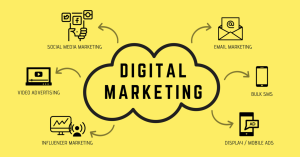
Digital marketing channels in Nigeria include social media, email marketing, search engine optimization (SEO), search engine marketing (SEM), content marketing, and mobile marketing. These channels give businesses various ways to connect with customers and grow.

Technology plays a big role in digital marketing. It helps businesses collect and analyze data to understand their customers better and create targeted marketing campaigns. However, there are challenges, such as poor infrastructure, limited access to finance, and complex regulations. Despite these challenges, the future of digital marketing in Nigeria is promising, and businesses that use digital marketing can gain many benefits.


Digital Marketing Channels

Digital marketing in Nigeria uses various channels to promote products and services online. These include social media marketing, search engine optimization, email marketing, and content marketing. Each channel has its own features, advantages, and disadvantages.


  1. Social Media Marketing

Social media marketing uses platforms like Facebook, Twitter, Instagram, and LinkedIn to promote products and services. This is popular in Nigeria because many people use social media. It helps businesses reach a large audience, engage with customers, and build brand awareness. It is also cheaper than traditional advertising.


  1. Search Engine Optimization

Search Engine Optimization (SEO) is about improving a website to rank higher in search engine results. This is important in Nigeria because it helps businesses get more online visibility and traffic. SEO includes on-page optimization, off-page optimization, and technical optimization. It requires understanding search engine algorithms and user behavior.


  1. Email Marketing

Email marketing uses email to promote products and services. It is effective in Nigeria because it allows businesses to reach customers directly. It can be used for newsletters, promotional offers, and keeping customers engaged. A well-targeted email list and engaging content are essential for success.


  1. Content Marketing

Content marketing creates and shares valuable content to attract and keep a target audience. This is popular in Nigeria as it helps businesses become thought leaders and build trust with customers. It includes blog posts, videos, infographics, and e-books. Understanding the target audience and their needs is crucial for effective content marketing.

Digital marketing channels are essential for businesses in Nigeria to reach their audience and promote their products and services online. Each channel has unique features and requires specific skills to be effective. Businesses should choose the channels that best fit their needs and goals.


Role of Technology in Digital Marketing

Technology has been very important in making online marketing grow in Nigeria. As more people use online marketing, technology has become crucial for digital marketers in Nigeria. Here, we'll talk about how technology helps in online marketing in Nigeria.


  1. Marketing Automation

Marketing automation means using technology to automate repetitive marketing tasks like email marketing, social media posting, and lead generation. In Nigeria, digital marketers use automation tools to make their campaigns smoother and work better. By automating these tasks, they can spend more time on important things like creating content and analyzing data.

Marketing automation also lets digital marketers in Nigeria personalize their campaigns. With these tools, they can divide their audience into groups and send personalized messages to each group. This makes people more interested and more likely to buy.


  1. Analytics and Data

Analytics and data are really important for online marketing in Nigeria. Digital marketers use tools to see how well their campaigns are doing and make decisions based on data. By looking at data, they can find trends, make their campaigns better, and get more out of their investment.

In Nigeria, digital marketers use tools like Google Analytics, SEMrush, and Ahrefs. These tools help them see things like website traffic, keyword rankings, and social media stats. By studying this data, they can see which channels are working best and make their campaigns even better.

So, technology has been a big part of making online marketing grow in Nigeria. Digital marketers use technology to automate tasks, make their campaigns more personal, and understand data. This helps them work better, get better results, and make more money.


Progression of Digital Marketing in Nigeria


  • Early Stages and Growth

Digital marketing in Nigeria has grown a lot since it started. At first, it was mainly email marketing and banner ads. But with social media, better internet access, and more e-commerce, digital marketing has changed how businesses promote their products and services.

In the beginning, digital marketing wasn't widely accepted in Nigeria. But as social media platforms like Facebook, Twitter, Instagram, and LinkedIn became popular, online marketing became a key part of marketing in Nigeria. Now, businesses can reach their target audience more effectively and efficiently through online marketing.


  • Current Trends

Digital marketing in Nigeria is growing. With more people using the internet, businesses are focusing on digital marketing to reach their audience. In 2018, Nigeria’s e-commerce revenue was $13 billion, and it is expected to grow by 25% annually. Nigeria’s digital advertising market is also expanding, with PWC predicting it will be worth $1.88 billion by the end of 2020.

One trend in online marketing in Nigeria is the use of mobile devices. With over 172 million mobile subscribers, mobile marketing is an effective way for businesses to reach their audience. Another trend is using social media influencers to promote products and services. Influencers significantly impact their followers' buying decisions, and businesses are partnering with them for promotion.

Mobile marketing in Nigeria has changed a lot over the years and continues to grow. With social media and e-commerce becoming more popular, businesses are focusing more on digital marketing to reach their audience. Mobile marketing and using social media influencers are some of the latest trends in digital marketing in Nigeria.


Privacy and Data Protection In Digital Marketing In Nigeria

Businesses need to focus on privacy and protecting data. The Nigerian Data Protection Regulation (NDPR) came out in 2019 to control how personal data is handled in Nigeria.

The NDPR says businesses have to ask people before they collect and use their personal data. Businesses also have to keep personal data safe and tell the National Information Technology Development Agency (NITDA) if there's a data breach.

Along with the NDPR, the Cybercrime (Prohibition, Prevention, etc.) Act from 2015 also deals with data protection and privacy. This Act makes things like cyberstalking and identity theft illegal. Businesses need to follow this Act to avoid getting into trouble with the law.

In general, businesses doing digital advertising in Nigeria need to know and follow the country’s rules to avoid legal problems.


Challenges in Digital Marketing In Nigeria

Digital marketing in Nigeria has a lot of possibilities, but there are also challenges. These challenges can make it hard for businesses to connect with their audience. Here, we'll talk about two big challenges in mobile marketing in Nigeria: Infrastructure Limits and Skill Gaps and Training.


  • Skill Gaps and Training

Another big problem for online marketing in Nigeria is skill gaps and training. Many businesses here don't have the skills they need to use digital marketing well. This makes it hard for them to connect with their audience and can waste time and money on marketing that doesn't work.

To fix this, businesses in Nigeria need to train their employees better. This will make sure they have the skills they need to use digital marketing well and keep up in a world that's becoming more digital.

So, while digital marketing in Nigeria has a lot of possibilities, there are also challenges. By fixing these problems and training their employees, businesses here can connect with their audience better and grow in the digital age.


  • Infrastructure Limitations

One big problem for digital marketing in Nigeria is the limited infrastructure. Even though the internet is growing fast in Nigeria, there are still many places where people can't get online reliably. This makes it hard for businesses to reach their audience, because a lot of potential customers might not be able to get online.

On top of that, there are problems with the quality of internet service in Nigeria. Slow speeds and internet outages happen a lot, which makes it hard for businesses to use digital marketing tools like social media and email.

Future of Digital Marketing in Nigeria

Predictions and Trends

As the world becomes more digital, so does marketing in Nigeria. The country has been using digital marketing more and more in recent years, with an expected value of $1.88 billion by the end of 2020. This growth will likely continue, and there are some trends and predictions emerging in the industry.

One big trend in online marketing in Nigeria is the move to mobile devices. With over 122.5 million internet users here, most people use mobiles to go online. Because of this, strategies like SMS marketing and advertising in mobile apps are becoming more popular.

Another trend is using social media for marketing. With 31.6 million social media users in Nigeria, platforms like Facebook, Twitter, and Instagram are important for digital marketers. Brands use social media to talk to their audience, make their brand known, and sell things.


Aside from mobile marketing and social media, there are other trends in mobile marketing in Nigeria, like:


  • Personalized marketing: Marketers use the tons of data they have to make their marketing messages more personal for their audience.


  • Influencer marketing: This is getting more and more popular in Nigeria. Brands team up with social media influencers to promote what they're selling.


  • Video marketing: Videos are becoming a bigger part of digital marketing. Brands use them to tell stories and get their audience interested.


In general, digital marketing's future in Nigeria seems good. As more people go online and use mobiles, mobile marketing will be really important for businesses trying to connect with their audience. By keeping up with what's new and what's coming, businesses can do well in Nigeria's digital marketing world.


By kingkentus